
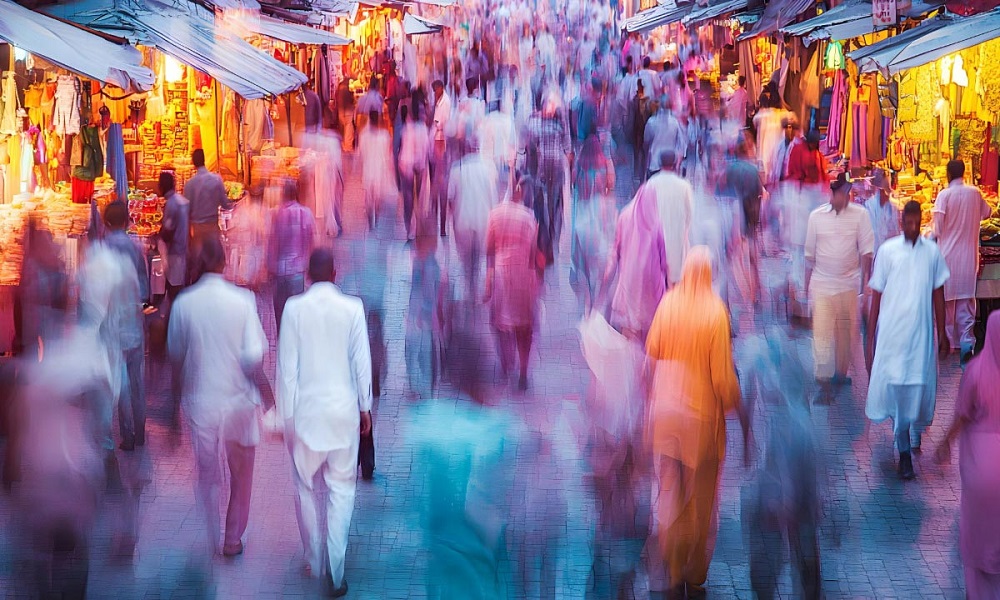
High traffic tourist cities often face a difficult balancing act. Tourism brings economic opportunity, global recognition, and infrastructure investment, yet it can also place intense pressure on local traditions, historic neighborhoods, and community identity. As visitor numbers increase, cities must actively protect cultural heritage while supporting sustainable tourism growth.
Cultural preservation is not about resisting tourism. It is about managing change in ways that protect local character, support residents, and maintain historical continuity. Cities that successfully preserve their identity while welcoming visitors often build stronger long term tourism economies and more resilient communities.
Strategic cultural preservation requires coordinated planning across governance, infrastructure, education, and community engagement.
Why Cultural Preservation Matters in High Traffic Tourist Cities
Cultural heritage shapes how cities are experienced by both residents and visitors. Historic districts, traditional practices, architecture, cuisine, language, and community rituals all contribute to a city’s identity.
When preservation efforts are neglected, tourism growth can result in:
- Loss of traditional neighborhoods
- Commercial displacement of local businesses
- Overcrowding in heritage areas
- Rising housing costs for residents
- Reduced authenticity of visitor experiences
Protecting cultural identity helps cities maintain their distinct character while supporting sustainable tourism.
Preserved heritage strengthens economic stability by attracting long term cultural tourism rather than short term mass visitation.
Managing Visitor Flow to Protect Historic Districts
One of the most effective preservation strategies involves managing how visitors move through heritage areas.
High concentration tourism can accelerate physical deterioration of historic infrastructure and disrupt local life.
Cities can improve preservation outcomes by:
- Implementing timed entry systems in sensitive zones
- Expanding pedestrian corridors
- Creating alternative visitor routes
- Limiting vehicle access in historic districts
- Encouraging off peak visitation patterns
Balanced visitor distribution reduces strain on historic environments.
Carefully managed mobility strategies protect both architecture and community routines.
Supporting Local Businesses That Reflect Cultural Identity
Local businesses often serve as cultural anchors within historic neighborhoods.
Traditional crafts, food markets, family owned shops, and artisan workshops help maintain cultural continuity across generations.
Cities can strengthen preservation by:
- Offering incentives for traditional businesses
- Supporting local vendor licensing programs
- Limiting chain retail expansion in heritage districts
- Promoting regional craftsmanship through tourism programs
Protecting local commerce preserves authenticity while supporting economic resilience.
Visitors often seek experiences connected to local identity rather than standardized global retail environments.
Protecting Residential Communities From Displacement
Rapid tourism growth can increase housing demand in historic areas, sometimes leading to displacement of long term residents.
Preserving community presence strengthens cultural continuity.
Cities may implement strategies such as:
- Short term rental regulations in heritage zones
- Housing affordability protections
- Resident priority zoning policies
- Mixed use neighborhood planning
Stable residential populations help preserve traditional lifestyles and social networks.
Living communities contribute authenticity that cannot be recreated through tourism infrastructure alone.
Integrating Heritage Preservation Into Urban Planning Policy
Cultural preservation must be embedded within city planning frameworks rather than treated as a separate initiative.
Effective policy integration includes:
- Historic building conservation guidelines
- Heritage district zoning protections
- Architectural design review processes
- Cultural impact assessments for development projects
Urban planning alignment ensures tourism growth does not conflict with preservation priorities.
Long term policy frameworks strengthen cultural sustainability.
Promoting Cultural Education for Visitors
Visitor awareness plays a major role in preservation success.
Tourists who understand the cultural importance of heritage sites are more likely to behave responsibly within historic environments.
Cities can promote cultural education through:
- interpretive signage in heritage districts
- guided cultural walking programs
- museum partnerships
- digital storytelling platforms
- multilingual heritage awareness campaigns
Education strengthens respect for local traditions.
Informed visitors contribute positively to preservation outcomes.
Strengthening Community Participation in Preservation Decisions
Residents should play a central role in preservation strategies.
Community participation improves policy effectiveness and strengthens trust between local authorities and neighborhoods.
Engagement approaches include:
- public consultation forums
- neighborhood preservation committees
- participatory planning workshops
- cultural heritage advisory councils
Inclusive planning supports policies that reflect lived cultural experience rather than external expectations.
Local knowledge strengthens preservation strategies.
Managing Infrastructure Development Around Heritage Sites
Infrastructure improvements often accompany tourism growth.
Without careful planning, new development can disrupt historic landscapes and reduce architectural continuity.
Cities can balance infrastructure expansion by:
- protecting sightlines around heritage landmarks
- maintaining scale consistency in surrounding construction
- limiting high density development near historic centers
- integrating transportation planning with preservation goals
Sensitive infrastructure design protects visual identity and spatial coherence.
Preservation and modernization can coexist through careful planning.
Supporting Traditional Cultural Events and Festivals
Festivals and community rituals preserve cultural expression across generations.
Tourism interest in local celebrations often increases visibility and financial support for these traditions.
Cities can strengthen preservation by:
- funding cultural event programs
- protecting traditional performance spaces
- supporting local artist participation
- managing visitor attendance responsibly
Cultural events reinforce community identity while enhancing visitor engagement.
Responsible event management ensures traditions remain authentic rather than commercialized.
Encouraging Sustainable Tourism Practices
Sustainable tourism policies help reduce environmental and cultural stress in high traffic cities.
Preservation oriented strategies include:
- promoting longer visitor stays instead of high turnover visits
- encouraging neighborhood based tourism distribution
- supporting environmentally responsible accommodations
- integrating heritage protection into tourism marketing strategies
Sustainable tourism strengthens long term preservation outcomes.
Cities benefit when tourism growth aligns with community priorities.
Using Digital Tools to Support Heritage Protection
Digital technology is increasingly supporting cultural preservation in tourism intensive cities.
Modern tools include:
- 3D architectural documentation systems
- digital heritage mapping platforms
- virtual museum experiences
- augmented reality interpretation guides
Digital preservation strengthens long term documentation while improving visitor education.
Technology also helps cities monitor structural conditions in historic buildings more efficiently.
Regulating Commercial Activity in Heritage Zones
Commercial activity can enhance visitor experience when aligned with local character, but excessive commercialization can weaken cultural authenticity.
Cities often manage commercial impact by:
- restricting signage design in historic districts
- limiting franchise expansion in sensitive areas
- supporting heritage compatible storefront design standards
- encouraging locally produced goods sales
Balanced commercial policy protects visual identity while supporting economic activity.
Authentic environments strengthen long term tourism appeal.
Coordinating Tourism Policy With Cultural Institutions
Museums, archives, heritage trusts, and cultural organizations play an important role in preservation planning.
Collaboration between institutions and city authorities supports:
- unified heritage messaging
- coordinated visitor education programs
- research informed conservation planning
- shared funding opportunities
Institutional cooperation strengthens preservation capacity.
Partnerships expand cultural protection beyond individual sites.
Monitoring Tourism Impact Through Data Analysis
Cities increasingly rely on data analytics to understand tourism impact on heritage environments.
Monitoring tools may include:
- visitor flow tracking systems
- infrastructure usage analysis
- environmental condition monitoring
- resident satisfaction surveys
- heritage site condition assessments
Data informed planning improves preservation effectiveness.
Cities can respond quickly to emerging risks when monitoring systems are active.
Balancing Economic Growth With Cultural Sustainability
Tourism contributes significantly to urban economies, but long term success depends on protecting the cultural assets that attract visitors in the first place.
Balanced strategies include:
- reinvesting tourism revenue into preservation programs
- supporting local workforce participation in cultural industries
- maintaining heritage district integrity
- encouraging responsible visitor behavior
Economic development and cultural preservation should reinforce each other rather than compete.
Cities that maintain this balance remain attractive destinations across generations.
The Long Term Value of Cultural Preservation in Tourism Cities
Cultural preservation strengthens both community identity and tourism resilience.
Cities that maintain strong preservation strategies often experience:
- higher visitor satisfaction levels
- stronger international reputation
- stable long term tourism demand
- improved resident quality of life
- greater investment in heritage industries
Preservation ensures tourism growth remains sustainable and meaningful.
Historic character remains one of the most valuable assets cities can protect.
Frequently Asked Questions
1. How can cities measure whether tourism is affecting cultural authenticity
Cities often evaluate authenticity through resident feedback surveys, heritage site condition assessments, and monitoring changes in traditional business representation within historic districts.
2. Are heritage preservation policies expensive for municipalities to maintain
Costs vary depending on city size and preservation scope, but long term tourism revenue often offsets preservation investment through increased visitor interest.
3. Can modern architecture coexist with historic preservation areas
Yes. Many cities successfully integrate contemporary design through guidelines that respect scale, materials, and spatial relationships within heritage districts.
4. What role do international organizations play in heritage preservation
International heritage organizations provide technical expertise, funding support opportunities, and recognition programs that strengthen local preservation efforts.
5. How can tourism operators contribute to cultural preservation efforts
Tour operators can support preservation by promoting respectful visitor behavior, collaborating with local businesses, and highlighting authentic cultural experiences.
6. Does cultural preservation reduce tourism growth potential
Preservation often enhances tourism quality rather than limiting growth because many visitors seek destinations with strong cultural identity.
7. How can cities encourage visitors to explore beyond crowded historic centers
Cities can promote alternative neighborhoods through curated walking routes, regional cultural events, and transportation links that connect visitors to lesser known heritage areas.
