
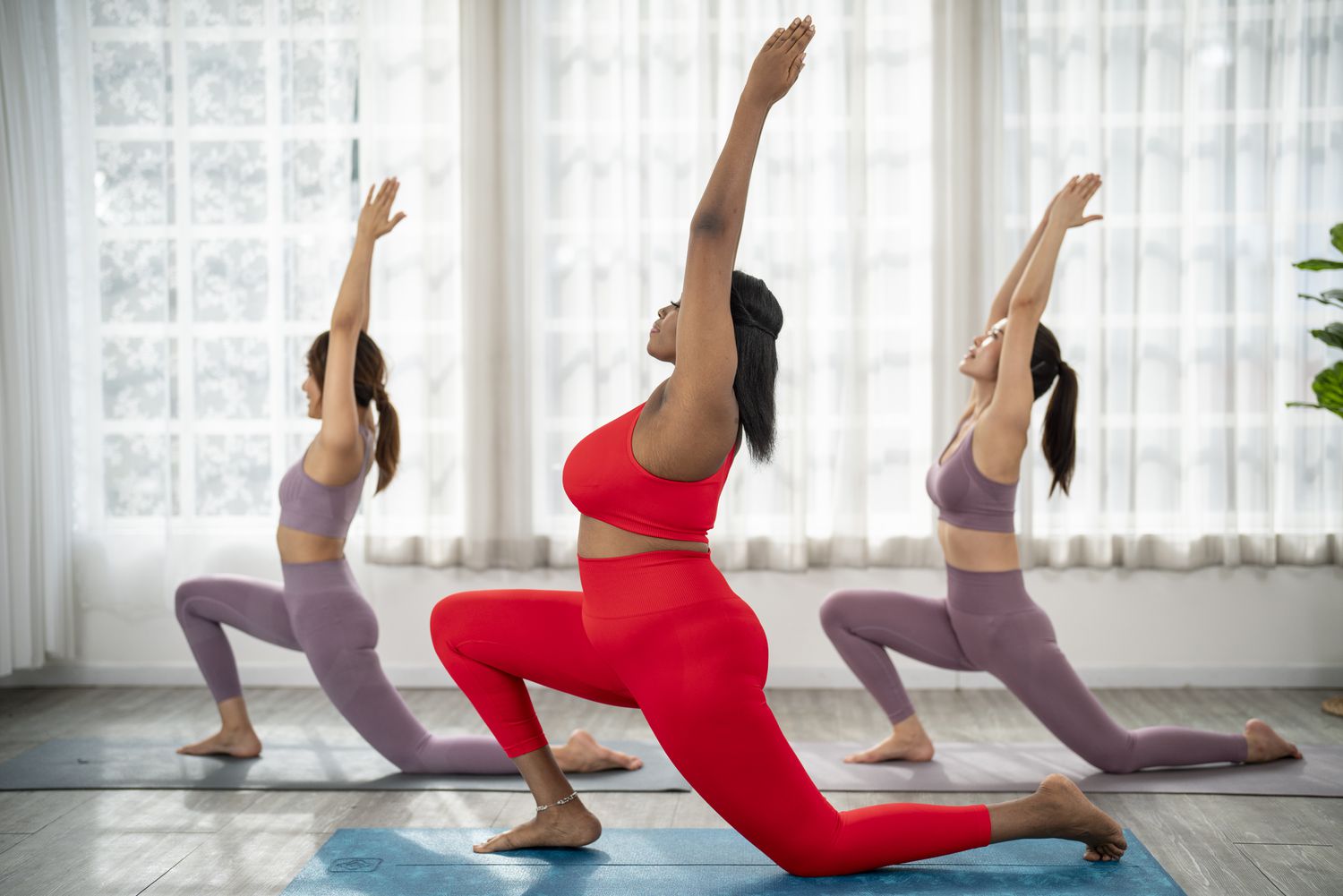
Modern bodies face modern problems. People sit too much, move too little, breathe shallowly, and often train in ways that do not address their real weaknesses. Some people stretch but remain unstable. Others strengthen but remain stiff. This is why yogalates singapore can appeal to adults who need a hybrid practice that supports both mobility and stability.
Yogalates combines the mindful movement and breath awareness of yoga with the controlled strengthening approach of Pilates. This makes it useful for people who want something more complete than casual stretching, but less aggressive than high-intensity training. It is especially relevant for adults who feel their bodies have become restricted by desk work, stress, and repetitive daily routines.
The Modern Mobility Problem
Mobility is the ability to move through a range with control. Many people confuse it with flexibility. Flexibility is part of the picture, but mobility also needs strength, coordination, and joint awareness.
Modern routines reduce mobility because the body repeats limited positions. Sitting keeps the hips flexed. Screen use rounds the upper body. Driving and commuting reduce spinal movement. Stress causes shallow breathing and muscle tension.
Over time, people may feel stiff even if they are not injured. They may find it harder to squat, twist, reach overhead, balance, or sit comfortably on the floor.
A hybrid practice can help because it moves the body through different ranges while training control.
Why Stability Is Just as Important
Stability is the ability to control position and movement. Without stability, flexibility can become risky or inefficient. A person may be able to move into a deep stretch but lack the strength to support that position.
Pilates-inspired training is useful here because it focuses on core engagement, pelvic control, and precise movement. In Yogalates, this stability work supports the mobility gained through yoga-based movement.
For example, a hip-opening movement becomes more useful when the core and pelvis are controlled. A spinal twist becomes safer when the body is not collapsing. A balance pose becomes more effective when the center is engaged.
Why Yoga and Pilates Work Well Together
Yoga and Pilates are different but complementary. Yoga often emphasizes breath, mobility, posture, balance, and mental presence. Pilates emphasizes control, alignment, core strength, and precision.
When combined thoughtfully, they address common gaps. Yoga can add flow and spaciousness to Pilates-style strength. Pilates can add deeper control to yoga-style movement.
This makes Yogalates especially useful for adults who need a balanced routine but do not want to attend multiple separate classes.
Desk Work Creates Both Tightness and Weakness
A desk-based lifestyle does not only make people tight. It also makes certain muscles underactive. The hip flexors may become tight while the glutes weaken. The chest may tighten while the upper back becomes underused. The core may become passive because the chair supports the body.
This combination requires more than stretching. The body needs to relearn how to support itself.
Yogalates can address this by combining mobility drills, breath-led movement, core training, and stability work. The practice helps students feel where the body is restricted and where it lacks control.
Breath as a Stability Tool
Breath is often treated as a relaxation tool only, but it also supports stability. The diaphragm, ribs, abdominal wall, and pelvic floor all affect trunk control. When breathing is shallow or held, the body may become tense and less coordinated.
Yogalates encourages breath awareness during movement. Students learn to breathe through effort instead of gripping. This improves both physical control and mental focus.
For people who are stressed or desk-bound, this is a valuable skill. It teaches them to stay steady without becoming rigid.
Low-Impact Does Not Mean Easy
Yogalates is often low-impact, but that does not mean it is effortless. Slow controlled movements can be demanding. Holding alignment, stabilizing the core, balancing, and moving with precision all require strength.
This makes the practice useful for people who want a challenge without the pounding effect of running, jumping, or high-intensity circuits.
The body works deeply, but the class can still feel controlled and sustainable.
Why Hybrid Training Helps With Body Awareness
Many people move without noticing how they move. They may lean to one side, hold tension in the shoulders, overuse the lower back, or hold the breath. Yogalates brings these patterns into awareness.
Pilates-style precision makes students notice alignment. Yoga-style flow makes them notice breath and movement quality. Together, they help students understand their bodies more clearly.
This awareness can improve daily habits. A person may sit differently, stand more evenly, or notice tension before it becomes discomfort.
A Strong Option for People Returning to Movement
People returning to exercise after a break may feel unsure where to start. Intense workouts can feel intimidating, while simple stretching may feel insufficient. Yogalates can offer a middle path.
The practice can be modified. Students can reduce range, slow down, rest when needed, and build strength gradually. This makes it approachable while still meaningful.
The key is good instruction. Students should learn how to move safely and avoid forcing positions.
How to Build Progress
Progress in Yogalates may not always look dramatic. It may appear as better balance, smoother transitions, improved posture, steadier breathing, and less stiffness after work. These are important signs.
Students should avoid judging progress only by flexibility or visible strength. A body that moves with more control and less tension is improving.
Consistency matters. Attending regularly helps the nervous system and muscles adapt.
Choosing the Right Class
A good Yogalates class should balance strength and mobility. It should not feel like random yoga mixed with random core exercises. The sequence should make sense, the cues should be clear, and modifications should be available.
Students should choose a class that fits their current ability. The goal is challenge with control, not exhaustion.
For adults in Singapore who want a hybrid movement practice that supports mobility, stability, breath, and posture, Yoga Edition can be part of a structured wellness routine.
FAQs
Is Yogalates better on days when I feel stiff or on days when I feel energetic?
It can work for both, but your effort should change. On stiff days, focus more on control and range. On energetic days, you may work deeper into strength and balance while still keeping good form.
Why does my lower back work during some core exercises?
Your lower back may be compensating if the deep core is not engaged well. Reduce the movement, keep the spine more supported, and ask the teacher to check your form.
Can Yogalates help with balance if I am clumsy?
It can help because balance improves through repeated control practice. You do not need to be graceful at first. Start with stable versions of movements and build gradually.
