
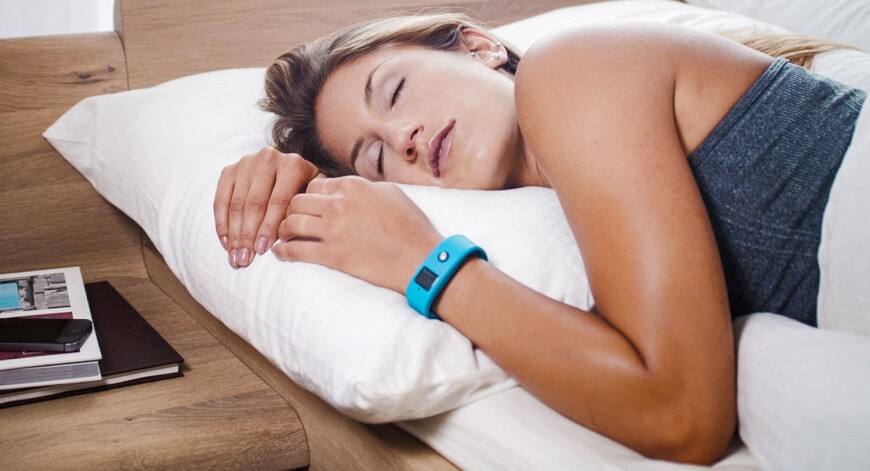
Sleep is one of the most powerful biological processes supporting long term health, yet it is often misunderstood or overlooked. Many people focus only on how long they sleep, but duration alone does not define sleep quality. Researchers now recognize that multiple measurable sleep quality metrics influence physical health, cognitive performance, emotional stability, and disease risk across the lifespan.
Advances in sleep science and wearable monitoring technology have made it easier to track sleep patterns in detail. Understanding how these metrics relate to long term outcomes allows individuals and healthcare professionals to make more informed decisions about lifestyle habits and preventive health strategies.
Sleep quality is not simply a nightly concern. It is a long term predictor of well being.
What Sleep Quality Metrics Measure
Sleep quality metrics describe how effectively the body completes its nightly restorative processes. These measurements go beyond sleep duration and capture the structure and consistency of sleep cycles.
Common sleep quality indicators include:
- Sleep latency
- Sleep efficiency
- Sleep continuity
- REM sleep proportion
- Deep sleep duration
- Wake after sleep onset
- Circadian rhythm alignment
Each metric reflects a different aspect of biological recovery.
Monitoring these indicators provides a more complete picture of sleep health.
Sleep Duration and Its Long Term Health Impact
Sleep duration remains one of the most widely studied sleep metrics. Most adults require between seven and nine hours of sleep each night for optimal functioning.
Consistently short sleep duration has been associated with increased risk of:
- Cardiovascular disease
- Obesity
- Type 2 diabetes
- Hypertension
- Depression
- Impaired immune response
Excessively long sleep duration may also indicate underlying medical conditions or reduced sleep efficiency.
Balanced sleep duration supports metabolic regulation and cognitive stability.
Sleep Efficiency as a Predictor of Restorative Sleep
Sleep efficiency measures the percentage of time spent asleep while in bed.
High sleep efficiency generally reflects uninterrupted sleep cycles and effective recovery processes.
Low sleep efficiency may result from:
- Insomnia symptoms
- Environmental disruptions
- Stress related arousal
- Sleep apnea
- Irregular sleep schedules
Over time, poor sleep efficiency has been linked to increased inflammation and reduced daytime performance.
Improving sleep efficiency often improves overall health outcomes.
The Role of REM Sleep in Brain Health
Rapid eye movement sleep plays an essential role in memory consolidation and emotional processing.
During REM sleep, the brain integrates information learned during the day and regulates emotional responses.
Adequate REM sleep supports:
- Learning capacity
- Problem solving ability
- Emotional resilience
- Creativity
- Mood regulation
Chronic reductions in REM sleep have been associated with anxiety disorders and cognitive decline.
Protecting REM sleep supports long term neurological health.
Deep Sleep and Physical Recovery
Deep sleep supports tissue repair, immune system function, and hormone regulation.
During this stage, the body performs essential recovery processes such as:
- Muscle repair
- Growth hormone release
- Immune system strengthening
- Cellular regeneration
Reduced deep sleep has been associated with increased susceptibility to illness and slower physical recovery.
Maintaining deep sleep quality contributes to long term physical resilience.
Sleep Latency Reflects Stress and Lifestyle Balance
Sleep latency refers to the time required to fall asleep after going to bed.
Healthy sleep latency usually falls within a moderate range. Taking too long to fall asleep may indicate stress or anxiety, while falling asleep almost immediately may signal sleep deprivation.
Long term patterns of delayed sleep onset have been associated with:
- Chronic stress exposure
- Mood disorders
- Circadian rhythm disruption
- Lifestyle imbalance
Monitoring sleep latency helps identify early warning signs of sleep disturbances.
Wake After Sleep Onset and Fragmented Sleep Patterns
Wake after sleep onset describes how often individuals awaken during the night.
Frequent awakenings interrupt sleep cycles and reduce recovery effectiveness.
Sleep fragmentation has been linked to:
- Reduced concentration ability
- Increased fatigue levels
- Metabolic imbalance
- Cardiovascular risk factors
Reducing nighttime awakenings improves both mental clarity and physical performance.
Circadian Rhythm Alignment Supports Hormonal Regulation
Circadian rhythm alignment refers to how closely sleep timing matches the body’s natural biological clock.
Disrupted circadian rhythms can result from:
- Shift work schedules
- Irregular bedtime routines
- Late night screen exposure
- Travel across time zones
Long term circadian misalignment has been associated with:
- Hormonal imbalance
- Increased metabolic risk
- Reduced immune function
- Mood instability
Maintaining consistent sleep timing supports stable biological rhythms.
Sleep Consistency Improves Long Term Health Outcomes
Sleep consistency refers to maintaining regular bedtimes and wake times across the week.
Irregular schedules can interfere with internal biological regulation even when total sleep duration appears sufficient.
Consistent sleep timing supports:
- Stable hormone production
- Improved metabolism
- Better cognitive performance
- Stronger emotional regulation
Consistency strengthens the effectiveness of other sleep quality metrics.
Wearable Sleep Technology and Data Tracking
Wearable technology has made sleep tracking more accessible than ever before.
Devices can monitor metrics such as:
- Movement patterns
- Heart rate variability
- Sleep stage estimates
- Sleep duration
- Nighttime awakenings
Although consumer devices are not medical diagnostic tools, they provide useful trend insights.
Tracking sleep data helps individuals recognize patterns that influence long term health.
Sleep Quality and Cardiovascular Health
Sleep quality influences heart health through several biological pathways.
Poor sleep patterns have been associated with:
- Elevated blood pressure
- Increased inflammation markers
- Irregular heart rhythm risk
- Reduced vascular recovery capacity
Maintaining healthy sleep metrics supports cardiovascular stability.
Sleep acts as a nightly recovery period for the circulatory system.
Sleep and Metabolic Function
Sleep quality plays a major role in regulating metabolism.
Disrupted sleep patterns affect hormones responsible for appetite and energy balance.
Poor sleep quality has been linked to:
- Increased hunger signaling
- Reduced insulin sensitivity
- Higher fat storage risk
- Increased risk of metabolic syndrome
Improving sleep metrics supports long term weight stability and metabolic efficiency.
Cognitive Performance and Sleep Quality Metrics
Brain performance depends heavily on sleep structure rather than duration alone.
Strong sleep quality metrics support:
- Attention control
- Memory retention
- Decision making accuracy
- Learning efficiency
- Reaction time stability
Students and professionals benefit significantly from consistent sleep patterns.
Cognitive resilience depends on effective overnight recovery cycles.
Emotional Health and Sleep Regulation
Sleep quality directly influences emotional stability.
Poor sleep increases sensitivity to stress and reduces emotional regulation capacity.
Healthy sleep patterns support:
- Balanced mood
- Stress tolerance
- Social interaction confidence
- Reduced anxiety symptoms
Improving sleep metrics often improves emotional well being without additional interventions.
Sleep supports both brain chemistry balance and psychological resilience.
Immune System Strength Depends on Sleep Quality
The immune system relies heavily on deep and uninterrupted sleep cycles.
During sleep, immune cells coordinate responses to infection and inflammation.
Poor sleep quality has been associated with:
- Increased infection susceptibility
- Slower recovery times
- Reduced vaccine response effectiveness
- Chronic inflammation risk
Protecting sleep quality supports long term immune defense.
Sleep Quality and Aging Outcomes
Sleep patterns change naturally with age, but maintaining strong sleep metrics continues to support healthy aging.
Consistent high quality sleep has been associated with:
- Reduced cognitive decline risk
- Improved mobility maintenance
- Stronger cardiovascular protection
- Lower chronic disease risk
Sleep supports long term independence and functional health in older adults.
Healthy sleep habits remain important throughout life.
Lifestyle Factors That Influence Sleep Quality Metrics
Several daily habits affect sleep structure and recovery effectiveness.
Positive influences include:
- Regular physical activity
- Balanced nutrition timing
- Reduced evening screen exposure
- Consistent bedtime routines
- Comfortable sleep environments
Negative influences include:
- Late caffeine intake
- Irregular sleep schedules
- Excessive alcohol consumption
- High stress exposure
- Inconsistent light exposure patterns
Small adjustments can significantly improve sleep quality metrics over time.
Frequently Asked Questions About Sleep Quality Metrics and Long Term Health Outcomes
1. Can sleep quality metrics change quickly after lifestyle improvements
Yes. Improvements such as consistent sleep timing, reduced evening screen exposure, and increased physical activity can influence sleep metrics within a few weeks.
2. Is it possible to have normal sleep duration but poor sleep quality
Yes. Individuals may sleep for adequate hours but still experience fragmented sleep cycles or reduced deep sleep, which limits recovery effectiveness.
3. Do sleep quality metrics differ between younger and older adults
Sleep architecture changes with age, including reduced deep sleep duration, but maintaining consistent sleep routines remains beneficial at every stage of life.
4. How does stress affect measurable sleep quality indicators
Stress can increase sleep latency, reduce REM sleep proportion, and increase nighttime awakenings, all of which influence overall recovery quality.
5. Are naps helpful for improving sleep quality metrics
Short daytime naps may improve alertness and cognitive performance, but long or late naps can interfere with nighttime sleep structure.
6. Can exercise improve measurable sleep quality outcomes
Regular physical activity supports deeper sleep cycles, faster sleep onset, and improved sleep efficiency when performed consistently.
7. Should sleep tracking data be shared with healthcare providers
Sharing long term sleep trend data with healthcare professionals can help identify patterns that support better diagnosis and treatment planning when sleep concerns arise.
