
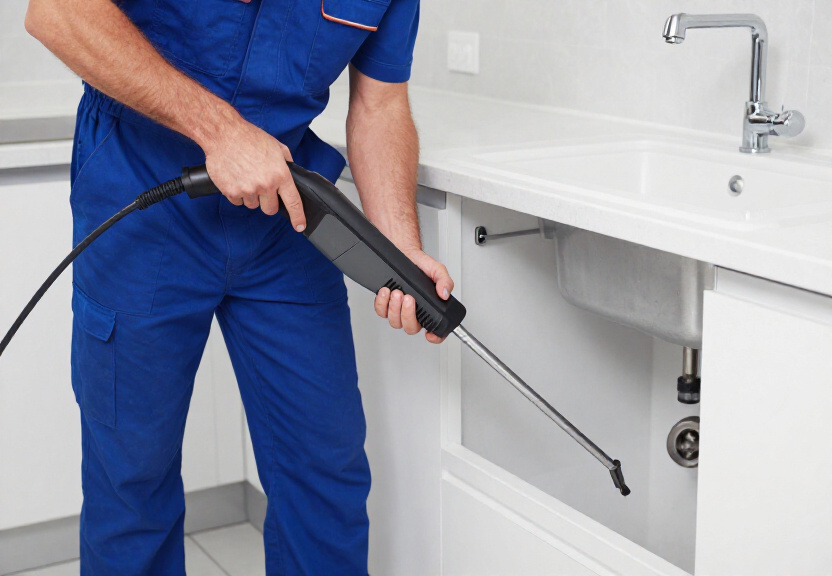
Maintaining a home’s plumbing involves a natural progression of care, moving from basic daily habits to deeper, professional interventions as pipes age and usage patterns evolve. For many homeowners in this region, the health of their drainage system is not a static condition but a cycle that shifts with the changing of seasons and the gradual accumulation of household debris. Understanding this progression can help residents shift from a reactive mindset to a proactive approach, protecting their property from the common risks associated with aging pipes and local environmental conditions.
Building a Foundation: Early Preventive Steps
The most effective approach to plumbing maintenance often begins with simple, consistent behaviors. In many households, the most frequent contributors to drainage issues are items that slip past sink strainers or accumulate in P-traps over time. Because local water can contain higher mineral levels, pipes may be more susceptible to scale buildup than in areas with different water compositions.
Homeowners typically find that small, consistent efforts pay dividends in the early stages of home ownership. Using fine-mesh screens on all drains serves as a primary defense, catching hair, food scraps, and other debris before they enter the system. Additionally, being mindful of what is disposed of—specifically avoiding fats, oils, and grease—can prevent the development of restrictive blockages. Running hot water for a period after usage can also help move materials through the trap and into the main lateral, reducing the likelihood of early-stage clogs.
Adapting Maintenance as the System Ages
As a home moves through its lifecycle, the interior surfaces of pipes can become slightly more textured due to the gradual accumulation of mineral scale or biofilm. This change in pipe condition means that what previously passed through easily may now encounter resistance. At this stage, relying on standard household maintenance becomes less about merely preventing new debris and more about managing the cumulative history of the pipe.
Many residents find it helpful to look into professional drain cleaning services in Bend, Oregon, when they notice a subtle but persistent change in how water exits their sinks or showers. A slow-draining fixture often serves as an early indicator that the system is no longer operating at its original capacity. Instead of waiting for a total blockage, a targeted cleaning can remove the initial layers of buildup. This is often the point where homeowners move beyond basic manual tools and consider the benefits of specialized technologies, such as hydro-jetting, which uses water pressure to clean pipe walls thoroughly without the need for abrasive chemicals.
Recognizing Indicators of Persistent Issues
Over time, certain external factors can influence the internal integrity of drain lines. In this region, mature vegetation often extends roots toward sources of moisture, such as underground sewer lines. Even in healthy pipes, small shifts in ground temperature or minor settling can create microscopic pathways for root ingress.
Signs that a drainage system may require a more thorough investigation often include gurgling sounds in toilets or drains, water backing up in unexpected locations, or occasional odors originating from near the pipe cleanouts. When these symptoms appear, it is typically a signal that a deeper assessment is warranted. A reputable drain cleaning company in Bend, Oregon, will often use camera technology to inspect the length of the lateral line. This visual documentation allows the homeowner to understand exactly what is happening inside the pipe—whether the issue is root infiltration, structural damage, or simply a stubborn accumulation of material that a standard snake cannot clear. By identifying the root cause, homeowners can make informed decisions about whether a routine cleaning is sufficient or if a more permanent resolution, such as pipe lining or targeted repairs, is necessary.
Sustaining Results Through Long-Term Oversight
Effective long-term maintenance relies on establishing a rhythm that matches the specific needs of the household. Because no two homes have the exact same plumbing layout or usage patterns, what works for one resident may need adjustment for another. For many, a seasonal checklist—perhaps aligned with peak usage times like the holiday season—provides a helpful structure for keeping drains running smoothly.
Sustaining the functionality of a drainage system involves periodic professional verification. An annual or biennial inspection of the main line can act as an insurance policy, ensuring that small problems are discovered while they are still manageable. By keeping a record of these cleanings and any repairs, homeowners can maintain a clear view of their system’s health. Engaging with a professional for this oversight also ensures that the homeowner receives guidance tailored to their specific pipe material and configuration.
The goal of this long-term strategy is not to eliminate all maintenance but to create a manageable, predictable routine. By viewing drain care as a process of gradual upkeep rather than a series of disconnected emergencies, residents in this area can maintain the reliability of their plumbing and protect their living environment. Through a combination of daily mindfulness, responsive seasonal cleaning, and informed professional assessment, homeowners can significantly enhance the lifespan and performance of their drainage infrastructure, ensuring it serves their needs reliably over the years.
