
Crane operations are integral to construction, shipping, and heavy industry projects. Ensuring these machines function safely and efficiently relies heavily on the quality and maintenance of crane parts. From structural components to mechanical systems, each part plays a vital role in the overall performance of the crane. Understanding the different types of crane parts, their functions, and proper maintenance practices is crucial for operators, maintenance teams, and companies that depend on crane operations.
Key Components of Crane Parts
Crane parts can be categorized into structural, mechanical, and electrical components. Structural parts form the framework of the crane, providing support and stability. The main structural components include the boom, jib, counterweights, and base. The boom is the long arm that carries loads, while the jib extends from the boom to provide additional reach. Counterweights balance the crane during lifting operations, and the base ensures overall stability. Each of these parts must meet precise engineering standards to handle heavy loads safely.
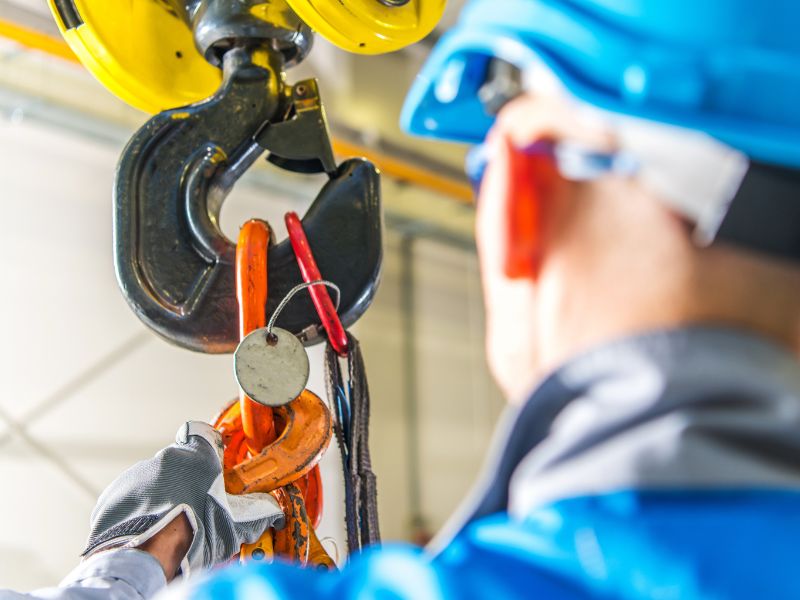
Mechanical parts are responsible for movement and lifting capabilities. Hoists, winches, wire ropes, pulleys, and hooks fall under this category. The hoist allows cranes to lift and lower loads efficiently, while winches and wire ropes control the movement of the load. Pulleys reduce friction and distribute weight evenly, and hooks attach the load securely. Regular inspection and replacement of these crane parts are essential to prevent accidents and maintain smooth operation.
Electrical and control systems are equally important. These parts include motors, control panels, limit switches, and sensors. Motors provide the necessary power to lift and move loads, while control panels allow operators to manage crane functions. Limit switches and sensors help prevent overloading and collisions, enhancing overall safety. Modern cranes often integrate automated systems that rely on precise electrical components, making maintenance and timely replacement of these parts critical.
Importance of High-Quality Crane Parts
The performance and safety of a crane depend largely on the quality of its parts. Using genuine and high-quality crane parts reduces the risk of mechanical failure and extends the lifespan of the equipment. Counterfeit or low-quality parts can compromise structural integrity, leading to accidents, costly repairs, and project delays. Companies in construction, logistics, and manufacturing prioritize sourcing reliable crane parts to ensure both safety and productivity.
Maintenance practices also highlight the importance of crane parts. Regular inspection, lubrication, and replacement of worn components prevent downtime and reduce long-term costs. For instance, wire ropes and hooks are subject to wear and fatigue, and failing to replace them promptly can result in accidents. Similarly, keeping electrical and control components in optimal condition ensures precise operation and reduces the likelihood of system malfunctions.
Types of Crane Parts
Cranes require a wide range of parts, each serving a specific function in lifting and moving heavy loads. Some of the essential crane parts include:
- Booms and Jibs: Structural arms that extend the crane’s reach and support loads.
- Hoists and Winches: Mechanical systems responsible for lifting and lowering materials.
- Wire Ropes and Pulleys: Components that facilitate smooth movement and reduce friction.
- Hooks and Latches: Devices that secure loads during transportation.
- Counterweights: Essential for maintaining balance and stability.
- Motors and Gearboxes: Electrical and mechanical components powering crane movement.
- Control Panels and Sensors: Systems that allow operators to manage functions safely.
Each part must be selected and maintained according to the crane’s specifications. Engineers and operators must work closely to ensure that replacement parts are compatible and meet industry standards. Using the correct parts not only guarantees safe operations but also enhances efficiency and reliability.
Maintaining Crane Parts for Longevity
Proper maintenance is key to extending the lifespan of crane parts and ensuring safe operations. Regular inspections help identify worn or damaged components before they become hazardous. Lubrication of mechanical parts, especially wire ropes and pulleys, reduces friction and prevents premature wear. Electrical components should be tested routinely to ensure they function correctly and meet safety standards.
Record-keeping is another critical aspect of maintenance. Tracking the age, usage, and replacement history of crane parts helps operators plan preventive maintenance and reduces the risk of unexpected failures. In addition, training staff to identify early signs of wear or malfunction ensures that issues are addressed promptly, maintaining both safety and productivity.
Sourcing genuine parts from reputable suppliers is essential. Using certified crane parts ensures compliance with safety regulations and reduces the risk of operational disruptions. Many suppliers offer OEM (Original Equipment Manufacturer) parts, which are designed specifically for the crane model, providing optimal performance and durability.
Crane operations are a combination of precision engineering and skilled handling. Ensuring that every component, from structural to electrical parts, functions correctly is critical to achieving efficiency and safety. Whether it is replacing worn hooks, upgrading control panels, or inspecting wire ropes, attention to detail in crane parts maintenance makes a tangible difference in operational outcomes.
Companies that invest in quality crane parts and consistent maintenance practices often experience fewer accidents, improved equipment longevity, and better overall performance. Safety protocols and routine checks complement the reliability of high-quality parts, creating a well-rounded approach to crane operations.
In industries where lifting and transporting heavy materials is routine, understanding the value of crane parts cannot be overstated. Proper selection, maintenance, and timely replacement of parts ensure that cranes perform as expected, supporting project timelines and operational efficiency.
By prioritizing high-quality crane parts and a structured maintenance program, businesses can safeguard both their workforce and their equipment. The combination of reliable components and trained operators forms the backbone of safe, efficient, and productive crane operations across construction sites, shipping yards, and industrial facilities.
