
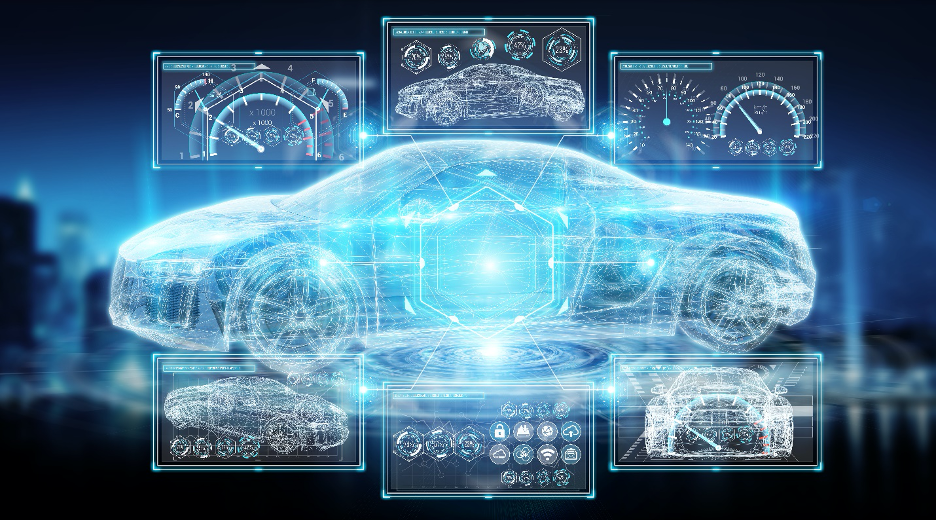
The automotive industry is undergoing one of the most significant transformations since the invention of the internal combustion engine. Vehicles are no longer defined primarily by mechanical components such as engines, transmissions, and suspension systems. Instead, they are increasingly shaped by software.
Software-Defined Vehicles, commonly called SDVs, represent a new generation of automobiles where functionality, performance, safety features, and even driver experiences are controlled largely through software rather than fixed hardware systems. This shift is changing how vehicles are built, updated, maintained, and experienced by drivers across the world.
As automakers transition from hardware-focused engineering to software-centered design, driving itself is becoming smarter, safer, more connected, and continuously evolving.
What Is a Software-Defined Vehicle
A Software-Defined Vehicle is a vehicle whose core features and capabilities are managed primarily through software platforms instead of isolated mechanical systems.
Traditional vehicles rely on dozens of separate electronic control units performing specific tasks such as engine management, braking control, and infotainment. In contrast, SDVs rely on centralized computing systems that allow software to manage multiple vehicle functions simultaneously.
Key characteristics of SDVs include:
- Centralized vehicle computing architecture
- Over-the-air software updates
- Cloud connectivity
- Data-driven performance optimization
- Upgradeable digital features after purchase
Instead of remaining static after leaving the factory, SDVs improve continuously throughout their lifecycle.
Why the Automotive Industry Is Moving Toward Software-Defined Vehicles
The shift toward SDVs is driven by rapid advances in connectivity, artificial intelligence, cloud computing, and driver expectations.
Drivers today expect vehicles to behave more like smartphones. They want regular updates, customizable features, smarter navigation, and seamless digital integration.
Automakers benefit from SDVs because they enable:
- Faster feature deployment without physical redesign
- Lower long-term maintenance costs
- New digital revenue streams
- Improved safety monitoring
- Greater flexibility in vehicle architecture
As competition increases between manufacturers and technology companies entering mobility markets, software capability has become a defining advantage.
The Role of Centralized Computing in SDVs
One of the biggest differences between traditional vehicles and SDVs is the move from distributed electronics to centralized computing platforms.
Older vehicles contain dozens of independent control units scattered across the car. Each performs a single function. Updating them requires physical replacement or dealership servicing.
SDVs instead use zonal or centralized architecture, where a small number of powerful processors manage the entire vehicle ecosystem.
Benefits include:
- Faster communication between systems
- Reduced wiring complexity
- Lower vehicle weight
- Easiler upgrades and feature deployment
- Better cybersecurity control
This architecture allows vehicles to function more like connected computing platforms on wheels.
Over-the-Air Updates Are Transforming Vehicle Ownership
Over-the-air updates allow manufacturers to deliver improvements remotely, just like smartphone operating system upgrades.
These updates can modify:
- Driver assistance systems
- Battery efficiency
- Navigation accuracy
- User interface features
- Infotainment performance
- Security protections
Instead of visiting service centers for improvements, drivers receive enhancements automatically.
This transforms vehicle ownership from a static purchase into a continuously improving digital experience.
Manufacturers can also fix issues proactively before they affect performance or safety.
Software Unlocks Personalized Driving Experiences
Software-defined vehicles allow drivers to customize their vehicles in ways previously impossible.
Examples include:
- Adjustable steering responsiveness
- Configurable acceleration behavior
- Personalized driver profiles
- Custom dashboard layouts
- Subscription-based comfort features
- Voice-controlled vehicle settings
Drivers can tailor their vehicles to match preferences, driving styles, and daily routines.
Multiple drivers sharing one vehicle can each maintain separate personalized configurations.
Advanced Driver Assistance Systems Depend on Software Platforms
Modern driver assistance technologies rely heavily on software integration across sensors, cameras, radar, and onboard processors.
SDV platforms enable faster processing of environmental data, improving decision-making accuracy in real time.
Capabilities supported by SDVs include:
- Adaptive cruise control
- Lane centering assistance
- Collision avoidance alerts
- Blind spot monitoring
- Automated parking assistance
As software platforms become more advanced, they also support the development of higher levels of vehicle automation.
These systems are stepping stones toward fully autonomous driving.
Cloud Connectivity Makes Vehicles Smarter Over Time
Cloud connectivity allows SDVs to communicate continuously with external networks.
This enables vehicles to:
- Receive traffic updates instantly
- Improve route planning accuracy
- Monitor system health remotely
- Support predictive maintenance alerts
- Synchronize with smart home devices
- Enable fleet-wide performance improvements
Vehicles become part of a larger digital mobility ecosystem rather than isolated machines.
Manufacturers can also analyze anonymized vehicle data to enhance future designs and improve safety systems.
Predictive Maintenance Reduces Unexpected Breakdowns
Traditional maintenance schedules rely on mileage estimates rather than actual component condition.
Software-defined vehicles use real-time diagnostics to monitor wear patterns and system performance continuously.
This enables predictive maintenance strategies such as:
- Early battery health warnings
- Brake wear monitoring
- Suspension condition tracking
- Tire pressure optimization alerts
- Cooling system performance analysis
Drivers receive alerts before failures occur, improving safety and reducing repair costs.
Service centers can also prepare replacement parts in advance based on vehicle diagnostics.
Software Enables Faster Innovation Cycles in the Automotive Industry
Historically, vehicle improvements required waiting for new model releases every few years.
SDVs change this timeline completely.
Manufacturers can now:
- Release new features monthly
- Improve system performance remotely
- Upgrade user interfaces continuously
- Deploy safety enhancements immediately
- Test improvements using real-world data
This creates a living vehicle platform that evolves throughout ownership instead of remaining fixed.
It also shortens product development cycles across the industry.
Cybersecurity Is Becoming a Core Vehicle Feature
As vehicles become more connected, cybersecurity becomes essential.
Software-defined vehicles integrate layered security systems designed to protect against unauthorized access and digital threats.
Modern protection strategies include:
- Secure software authentication
- Encrypted communication networks
- Intrusion detection systems
- Continuous vulnerability monitoring
- Remote security patch deployment
These protections ensure vehicles remain safe while connected to cloud platforms and digital infrastructure.
Security is now as critical as mechanical reliability.
Subscription-Based Features Are Changing Business Models
Software-defined vehicles allow manufacturers to introduce feature-on-demand services.
Drivers may activate optional capabilities after purchasing a vehicle.
Examples include:
- Enhanced navigation tools
- Performance driving modes
- Heated seat activation
- Advanced driver assistance upgrades
- Premium entertainment services
This flexible model allows drivers to choose features based on current needs rather than committing at purchase time.
Manufacturers benefit by maintaining long-term relationships with customers through digital services.
Electric Vehicles and SDVs Are Closely Connected
Electric vehicles rely heavily on software to manage energy consumption, charging optimization, and battery protection.
SDV architecture enhances electric vehicle performance by enabling:
- Battery efficiency updates
- Charging speed improvements
- Range optimization algorithms
- Thermal management enhancements
- Smart charging scheduling
Many leading electric vehicle platforms are designed as software-defined systems from the ground up.
This integration accelerates innovation across both technologies simultaneously.
SDVs Are Preparing the Road for Autonomous Mobility
Fully autonomous driving requires constant interpretation of environmental data.
Software-defined platforms provide the processing power and update capability required to support this transition.
Key enabling technologies include:
- Sensor fusion processing
- Real-time mapping updates
- Machine learning integration
- Vehicle-to-vehicle communication
- Vehicle-to-infrastructure coordination
SDVs form the foundation upon which autonomous driving systems are being built.
Without software-centered vehicle architecture, large-scale automation would not be possible.
Challenges Facing Software-Defined Vehicles
Despite their advantages, SDVs also introduce new challenges.
Automakers must address issues such as:
- Software reliability verification
- Cybersecurity risks
- Data privacy concerns
- Infrastructure compatibility
- Regulatory approval processes
- High development costs
Managing millions of lines of vehicle software safely requires new engineering practices and testing standards.
However, ongoing industry collaboration is accelerating solutions.
The Future of Driving in a Software-First World
Software-defined vehicles represent a permanent shift in how transportation systems operate.
Vehicles are evolving into intelligent mobility platforms capable of adapting continuously to driver needs and environmental conditions.
Future developments may include:
- Fully integrated smart city communication
- Autonomous fleet coordination
- Real-time energy grid interaction
- Adaptive safety ecosystems
- Personalized mobility services
Driving is no longer defined solely by engines and mechanics.
It is increasingly shaped by software intelligence that evolves with every update.
Software-defined vehicles are not simply a technological upgrade. They represent the beginning of a new era in transportation.
Frequently Asked Questions About Software-Defined Vehicles
1. How are software-defined vehicles different from connected cars
Connected cars primarily focus on internet access and communication features, while software-defined vehicles rely on software to control core vehicle operations, performance behavior, and feature deployment across the entire system architecture.
2. Do software-defined vehicles require constant internet access to function
No. Most SDVs operate normally without continuous internet connectivity. Internet access enhances updates and cloud-based services but is not required for basic vehicle operation.
3. Can software-defined vehicles become outdated faster than traditional vehicles
In many cases, SDVs remain relevant longer because manufacturers can upgrade functionality through software updates instead of requiring hardware replacement.
4. Are software-defined vehicles more expensive to maintain
Maintenance costs can be lower over time because predictive diagnostics reduce unexpected repairs and many updates occur remotely without service visits.
5. Will software-defined vehicles work in areas with limited digital infrastructure
Yes. Core driving functions remain independent of cloud systems, although some advanced connected services may operate at reduced capability in low-connectivity environments.
6. Do software-defined vehicles collect driver behavior data
Many SDVs collect operational data to improve safety systems and performance analytics. However, manufacturers typically follow privacy regulations and allow users to control certain data-sharing preferences.
7. Can older vehicles be converted into software-defined vehicles
Most legacy vehicles cannot fully transition into SDV platforms because they lack centralized computing architecture. However, some aftermarket upgrades can introduce limited connected features.
