
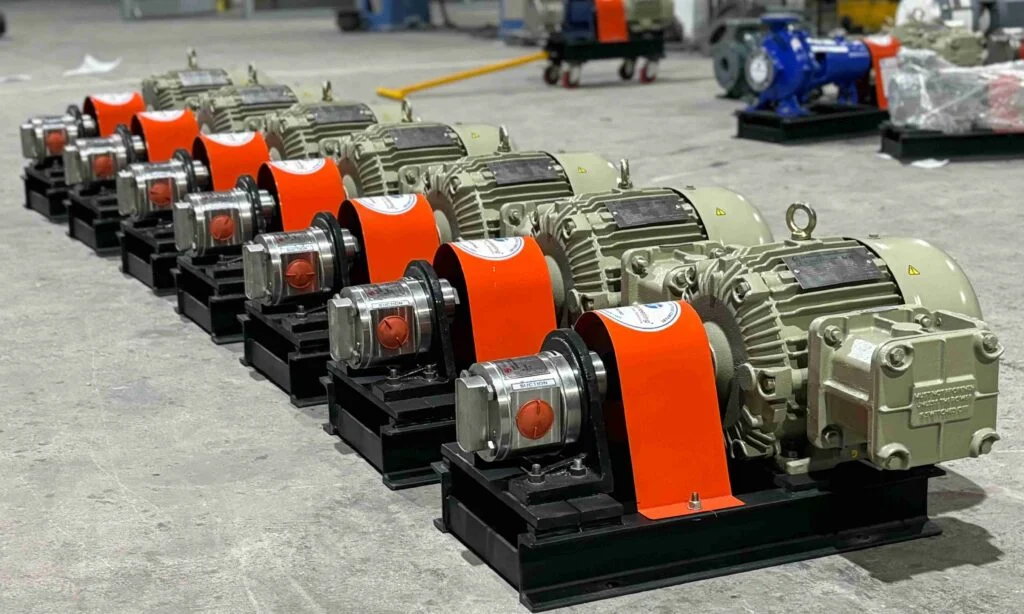
Selecting the right gear pump manufacturer is one of the most important decisions for any industrial operation that depends on consistent fluid transfer, lubrication, and process efficiency. Gear oil pumps play a vital role in maintaining smooth machinery performance, reducing wear, and ensuring optimal production flow. Whether you manage a manufacturing plant, chemical facility, power station, or food processing line, choosing a reliable manufacturing partner will influence long term equipment stability and operational cost.
This detailed guide explores the key factors you should consider when evaluating manufacturers and selecting the best one for your application. With the right insights, you can make a confident decision that supports efficiency, reliability, and productivity across your facility.
Understanding the Role of Gear Oil Pumps in Industrial Operations
Gear oil pumps are essential for moving viscous fluids, maintaining consistent lubrication, and supporting a wide range of mechanical processes. The positive displacement design allows these pumps to deliver steady flow regardless of pressure changes, making them highly dependable in demanding environments.
Why the Manufacturer Matters as Much as the Pump
Even the best pump design cannot perform well if it is not manufactured with precision. Working with an experienced gear pump manufacturer ensures access to pumps crafted with accurate tolerances, strong materials, and proven engineering practices. Poorly manufactured pumps may result in leakage, frequent breakdowns, pressure loss, or low efficiency, all of which can disrupt operations.
A trusted manufacturer understands the equipment demands, industry standards, safety expectations, and performance requirements of different applications. Their expertise ensures that each pump is not only functional but also durable and cost efficient.
Key Qualities to Look for in a Gear Pump Manufacturer
Selecting the right partner involves assessing technical capability, industry experience, and long term support. Below are the most important qualities to consider.
Strong Technical Knowledge and Engineering Capabilities
A good manufacturer should have a deep understanding of pump mechanics, fluid behavior, and industrial system integration. Their engineering team should be able to analyze your operational requirements and suggest suitable gear oil pumps based on flow rate, pressure, temperature, viscosity, and application type.
Manufacturers with strong technical backgrounds often innovate through upgraded materials, improved designs, and enhanced efficiency. This ensures your pumps are built to meet modern industrial challenges.
Experience in Serving Diverse Industrial Sectors
Experience is a crucial indicator of reliability. A manufacturer with a long history in pump production typically understands the specific demands of different industries. Their familiarity with varied fluid properties, difficult operating environments, and specialized applications makes them better equipped to deliver dependable solutions.
Look for experience in industries such as:
- Chemical processing
- Power generation
- Manufacturing and automation
- Food and beverage
- Oil and gas
- Heavy machinery operations
A manufacturer who has served multiple sectors can better adapt their solutions to your unique requirements.
Compliance With Industry Standards and Quality Practices
Reliable manufacturers follow strict quality control measures and industry standards to ensure their pumps perform safely and consistently. These practices cover material selection, machining precision, lubrication paths, pressure handling, and overall durability.
Standards also ensure that pumps are tested for performance, leakage, noise levels, and long term reliability before being delivered. This gives you confidence that the product you receive can handle real world demands.
Evaluating Pump Construction and Material Quality
The quality of the pump body and internal components determines how long it will last and how efficiently it will perform. Construction quality is one of the clearest reflections of the manufacturer’s commitment to excellence.
Durability Through Superior Materials
Gear oil pumps often work with thick, viscous fluids that may contain impurities or require high operating temperatures. This means the pump must be made using strong and corrosion resistant materials. High quality materials reduce wear, extend the pump’s life, and protect against contamination that could affect the fluid.
Make sure the manufacturer uses materials suitable for your application’s temperature range, pressure level, and chemical exposure.
Precision Machining and Assembly
A well constructed pump relies on clean machining, accurate tolerances, and precise assembly. Even small imperfections in gear alignment or casing shape can affect flow performance and pressure stability. Manufacturers using advanced machining technology are more likely to produce high performing pumps with smooth operation, minimal vibration, and low maintenance requirements.
Reliable manufacturers also conduct performance tests to ensure each pump meets its design specifications.
Customization Capabilities for Unique Industrial Requirements
Not all industrial processes are the same. Some require pumps that handle extremely viscous fluids, while others demand continuous operation or strict contamination control. Customization becomes essential in these cases.
Tailored Designs for Specific Applications
Manufacturers with customization capabilities can modify essential pump features such as:
- Flow rate and pressure output
- Gear size and configuration
- Material composition
- Seal type
- Mounting style
- Drive compatibility
- Temperature resistance
This ensures that the gear oil pumps you install are perfectly aligned with your operational needs, reducing adjustments, failures, and energy waste.
Specialized Solutions for Challenging Environments
In industries where pumps may be exposed to abrasive fluids, high heat, or extended operating hours, customization ensures resilience and uninterrupted performance. A manufacturer capable of designing for extreme conditions demonstrates deeper engineering competence and long term reliability.
Importance of Technical Support and After Sales Service
A gear pump manufacturer should be a long term partner rather than just a supplier. Their role continues long after the pump has been delivered, and strong support enhances the lifespan and dependability of your equipment.
Availability of Spare Parts and Maintenance Support
Industrial operations cannot afford long downtime. A manufacturer that maintains a ready supply of essential spare parts ensures quick replacement and uninterrupted functioning. Their support team should also assist with maintenance planning, troubleshooting, and performance optimization.
Training, Documentation, and Installation Guidance
Proper installation and operation contribute significantly to pump longevity. Manufacturers who offer installation guidelines, operational manuals, and training programs help your team use the pumps correctly. This reduces breakdowns, improves efficiency, and ensures smoother daily operations.
Cost Considerations and Long Term Value
While cost is always a factor, it should not be the only criteria when choosing a manufacturer. You must consider the long term value and efficiency the pump will bring to your operation.
Avoid Focusing Only on Initial Price
Cheaper pumps may fail sooner, consume more energy, or require frequent maintenance. This results in higher operational costs over time. A high quality pump, although priced slightly higher, often delivers better performance, lower energy consumption, and longer service life.
Evaluate Total Cost of Ownership
Total cost of ownership includes:
- Purchase price
- Installation expenses
- Energy consumption
- Maintenance frequency
- Spare parts availability
- Lifespan reliability and downtime prevention
When all these factors are considered, quality becomes a more important investment than initial cost.
Steps to Make the Final Decision
Once you have evaluated manufacturers based on technical competence, material quality, customization, and support, you can narrow down your choices.
Requesting Technical Data and Performance Records
Manufacturers who provide performance data, test results, and real world case studies demonstrate transparency and confidence in their products. These details help you understand how well the gear oil pumps perform under conditions similar to your application.
Visiting Manufacturing Facilities if Possible
If the opportunity allows, touring the manufacturer’s facility helps you assess their equipment, processes, and commitment to quality. Even a virtual tour can provide valuable insights into their capabilities and workflow.
Choosing the right gear pump manufacturer is a critical decision that influences operational reliability, process efficiency, and long term productivity. By focusing on engineering expertise, manufacturing quality, customization options, and long term support, you can select a partner who delivers durable and efficient gear oil pumps tailored to your industrial needs. Taking the time to evaluate your options ensures better performance, reduced downtime, and higher value for your investment.
