
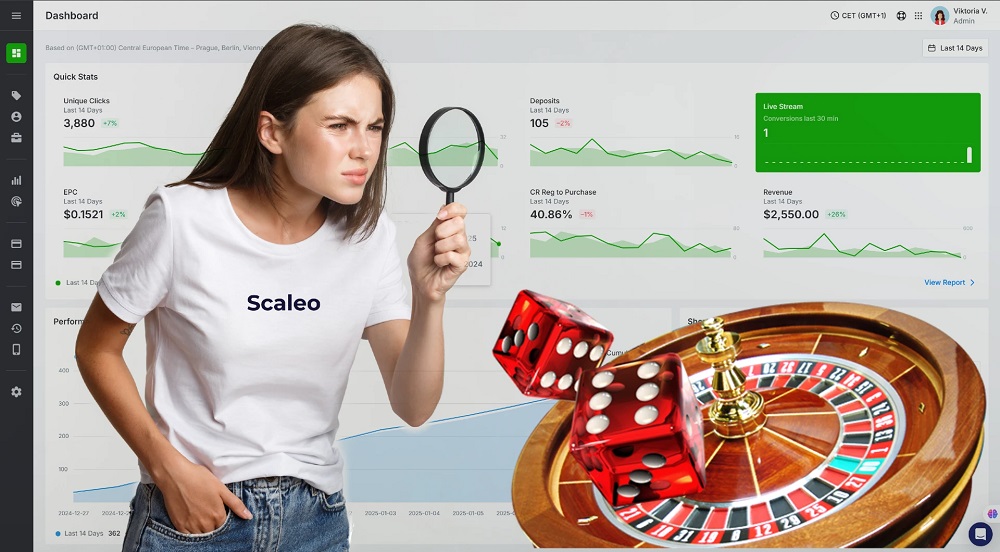
Behavioral analytics has become one of the most influential tools in modern casino player retention strategies. As competition intensifies across both physical and online gaming environments, casinos are shifting from traditional loyalty programs toward data-driven engagement models that better understand player motivations, preferences, and habits.
Rather than relying on generic rewards or broad promotions, casinos now use behavioral insights to deliver targeted experiences that increase player satisfaction, strengthen loyalty, and extend lifetime value. When implemented responsibly and ethically, behavioral analytics allows operators to balance business performance with player well-being while maintaining regulatory compliance.
This article explores how behavioral analytics is reshaping casino player retention strategies and what practical approaches modern operators use to sustain engagement in a rapidly evolving gaming landscape.
What Behavioral Analytics Means in Casino Player Retention
Behavioral analytics refers to the process of collecting and analyzing player activity data to understand how individuals interact with casino platforms, games, and promotional systems.
Instead of focusing only on transaction totals, behavioral analytics examines patterns such as:
- Session duration
- Game selection frequency
- Bet sizing trends
- Login timing habits
- Response to promotions
- Navigation behavior across platforms
These insights help casinos predict player needs and deliver more relevant experiences.
Retention improves when players feel recognized rather than treated as anonymous participants.
Why Behavioral Analytics Has Become Essential for Casinos
Casino markets are more competitive than ever. Players can switch platforms quickly, especially in digital environments where alternatives are only one click away.
Behavioral analytics helps casinos respond to this challenge by enabling:
- Early churn prediction
- Personalized incentives
- Targeted communication timing
- Improved loyalty program design
- Optimized user interface experiences
Operators who understand behavioral signals can intervene before engagement declines.
This proactive approach replaces older retention strategies that depended heavily on reactive marketing.
The Types of Behavioral Data Casinos Analyze
Modern casino analytics platforms combine multiple categories of behavioral data to build accurate player profiles.
Common data types include:
Gameplay Behavior
Casinos monitor how players interact with games to understand preferences and engagement depth.
Examples include:
- Favorite game categories
- Average wager size
- Frequency of gameplay sessions
- Volatility tolerance
- Session timing patterns
These signals help identify whether a player prefers strategic table games, fast-paced slot experiences, or hybrid formats.
Transaction Behavior
Financial activity provides insight into engagement intensity and loyalty trends.
Key indicators include:
- Deposit frequency
- Withdrawal timing
- Payment method selection
- Average session spend
- Bonus usage patterns
Tracking these patterns allows casinos to tailor offers appropriately.
Platform Navigation Behavior
User journey analysis reveals friction points that may reduce retention.
Casinos evaluate:
- Page exit rates
- Game discovery pathways
- Menu interaction patterns
- Feature usage frequency
- Device switching behavior
Reducing navigation friction directly improves player satisfaction.
Communication Response Behavior
Understanding how players react to messaging helps refine engagement strategies.
Casinos monitor:
- Email open rates
- Promotion activation timing
- Notification response patterns
- Loyalty reward redemption behavior
Communication optimization prevents promotional fatigue while improving conversion rates.
Player Segmentation Improves Retention Accuracy
Behavioral analytics allows casinos to group players into meaningful engagement segments rather than treating all players identically.
Typical segmentation categories include:
- New players exploring the platform
- Returning players with moderate activity
- High-value loyal players
- At-risk players showing reduced engagement
- Bonus-sensitive players responding primarily to incentives
Segment-specific strategies improve retention outcomes because each group receives appropriate communication and rewards.
Personalization becomes more effective when segmentation reflects real behavior instead of assumptions.
Predictive Analytics Helps Identify Churn Before It Happens
One of the most valuable applications of behavioral analytics is churn prediction.
Predictive models evaluate indicators such as:
- Declining session frequency
- Reduced deposit activity
- Lower game interaction time
- Ignored promotional messages
- Increased withdrawal ratios
When these signals appear together, they often indicate disengagement risk.
Casinos can respond with targeted retention actions such as:
- Tailored loyalty offers
- Personalized communication
- Game recommendations aligned with player preferences
- Customer support outreach
Early intervention significantly improves retention success rates.
Personalization Strengthens Long Term Player Loyalty
Generic promotional campaigns rarely produce sustained engagement in modern casino environments.
Behavioral analytics enables personalized experiences such as:
- Customized bonus structures
- Game recommendations based on play style
- Individualized loyalty rewards
- Time-sensitive engagement incentives
- Personalized tournament invitations
Players respond more positively when incentives match their preferences rather than broad marketing campaigns.
Personalization also reduces unnecessary promotional spending.
Real Time Analytics Enables Immediate Engagement Adjustments
Traditional reporting systems analyze player activity after sessions end. Modern behavioral analytics platforms operate in real time.
This allows casinos to respond instantly to player actions.
Examples include:
- Triggering bonuses during gameplay pauses
- Offering assistance after navigation friction
- Suggesting alternative games after inactivity
- Adjusting communication timing dynamically
Real-time engagement increases the likelihood that players remain active within sessions.
Immediate responsiveness strengthens the perception of platform intelligence and responsiveness.
Loyalty Programs Are Becoming Data Driven Instead of Transaction Based
Traditional loyalty programs rewarded players primarily based on total spending.
Behavioral analytics enables more nuanced loyalty strategies that consider engagement quality rather than just financial volume.
Modern loyalty programs evaluate:
- Session consistency
- Game diversity participation
- Promotion engagement
- Platform exploration activity
- Tournament participation
Rewarding engagement behavior encourages sustained interaction without focusing exclusively on wagering levels.
This approach supports healthier player relationships and longer retention cycles.
Behavioral Analytics Supports Responsible Gaming Initiatives
Responsible gaming has become an essential component of casino operations worldwide.
Behavioral analytics plays a critical role in identifying patterns associated with potentially harmful play behavior.
Indicators may include:
- Sudden increases in session length
- Rapid deposit escalation
- Repeated late-night activity spikes
- Reduced withdrawal frequency
- Emotional reaction patterns reflected in interaction behavior
Casinos can use these signals to implement safeguards such as:
- Cooling-off reminders
- Deposit limit suggestions
- Self-exclusion options
- Support resource recommendations
Responsible engagement improves trust and supports regulatory compliance.
Ethical use of analytics strengthens brand reputation and long-term sustainability.
Omnichannel Tracking Connects Online and Physical Casino Experiences
Many players interact with both digital platforms and physical casino locations.
Behavioral analytics systems now integrate these interactions into unified player profiles.
Omnichannel insights help casinos:
- Recognize returning guests across environments
- Synchronize loyalty rewards
- Coordinate personalized promotions
- Improve event invitations
- Align hospitality services with gaming preferences
Integrated experiences increase player satisfaction because interactions feel continuous rather than fragmented.
Consistency across environments improves long-term loyalty.
Artificial Intelligence Enhances Behavioral Insight Accuracy
Artificial intelligence expands the capabilities of behavioral analytics by detecting patterns humans may overlook.
AI-driven analytics can:
- Identify micro-segmentation opportunities
- Predict engagement cycles
- Optimize promotion timing
- Recommend personalized game portfolios
- Detect unusual behavior patterns early
Machine learning models improve continuously as more behavioral data becomes available.
This allows retention strategies to evolve alongside player expectations.
Data Privacy and Compliance Remain Critical Considerations
Behavioral analytics depends heavily on data collection. Responsible implementation requires strict privacy protections.
Casinos must ensure:
- Transparent data usage policies
- Secure storage systems
- Regulatory compliance adherence
- Player consent management
- Ethical analytics deployment practices
Strong privacy practices increase player confidence and protect organizational credibility.
Retention strategies are most effective when players trust how their data is handled.
Measuring the Impact of Behavioral Analytics on Retention Performance
Retention strategies supported by behavioral analytics should be evaluated regularly to ensure effectiveness.
Key performance indicators include:
- Session return frequency
- Loyalty program participation rates
- Promotion activation levels
- Average session duration stability
- Churn reduction percentages
- Lifetime value growth trends
Continuous monitoring allows casinos to refine engagement strategies over time.
Data-driven adjustments produce stronger long-term results than static retention programs.
The Future of Behavioral Analytics in Casino Player Engagement
Behavioral analytics continues to evolve alongside advances in computing power, artificial intelligence, and real-time processing systems.
Future developments may include:
- Emotion-aware interaction modeling
- Predictive engagement environments
- Adaptive user interface personalization
- Voice-driven engagement analytics
- Cross-platform identity recognition improvements
Casinos that invest in advanced analytics infrastructure today position themselves to remain competitive in increasingly digital gaming ecosystems.
Behavioral intelligence is no longer optional. It has become central to modern casino player retention strategy.
Frequently Asked Questions About Behavioral Analytics in Casino Player Retention
1. How does behavioral analytics differ from traditional player tracking systems
Traditional tracking systems focus mainly on wagering totals and visit frequency, while behavioral analytics evaluates interaction patterns, engagement timing, communication responses, and navigation behavior to produce deeper insights.
2. Can smaller casinos implement behavioral analytics effectively
Yes. Many modern analytics platforms offer scalable tools that allow smaller operators to implement segmentation, churn prediction, and personalization without enterprise-level infrastructure.
3. Does behavioral analytics improve marketing efficiency in casinos
Behavioral insights help marketing teams deliver targeted promotions instead of broad campaigns, which reduces unnecessary incentive spending and improves engagement conversion rates.
4. How frequently should behavioral analytics models be updated
Models should be reviewed regularly, often monthly or quarterly, depending on platform size and player activity volume, to ensure predictions remain accurate as player behavior evolves.
5. What role does mobile gaming play in behavioral analytics strategies
Mobile platforms provide valuable behavioral signals such as session timing habits, notification response behavior, and location-based engagement trends that strengthen personalization accuracy.
6. Can behavioral analytics help improve tournament participation rates
Yes. Casinos can identify players who prefer competitive formats and invite them to targeted events, increasing participation without over-promoting tournaments to uninterested audiences.
7. How do behavioral analytics platforms integrate with casino loyalty systems
Most modern platforms connect directly with loyalty databases, allowing reward structures to adjust automatically based on engagement patterns rather than relying only on fixed tier thresholds.
